Are Waist Trainers Safe? An Honest Guide
Are waist trainers safe? Yes, in moderation for healthy adults. Learn the real risks, who should avoid them, and how to wear one safely.
Are waist trainers safe? For most healthy adults, yes — a waist trainer is safe to wear for short periods, as long as it is not so tight that it hurts or limits your breathing. Problems start when people wear them too tight, for too long, or expect them to melt fat. This guide explains the real risks, who should skip waist trainers entirely, and how to wear one without harming yourself. It is written in plain terms so you can make your own call.
Are waist trainers safe to use every day?
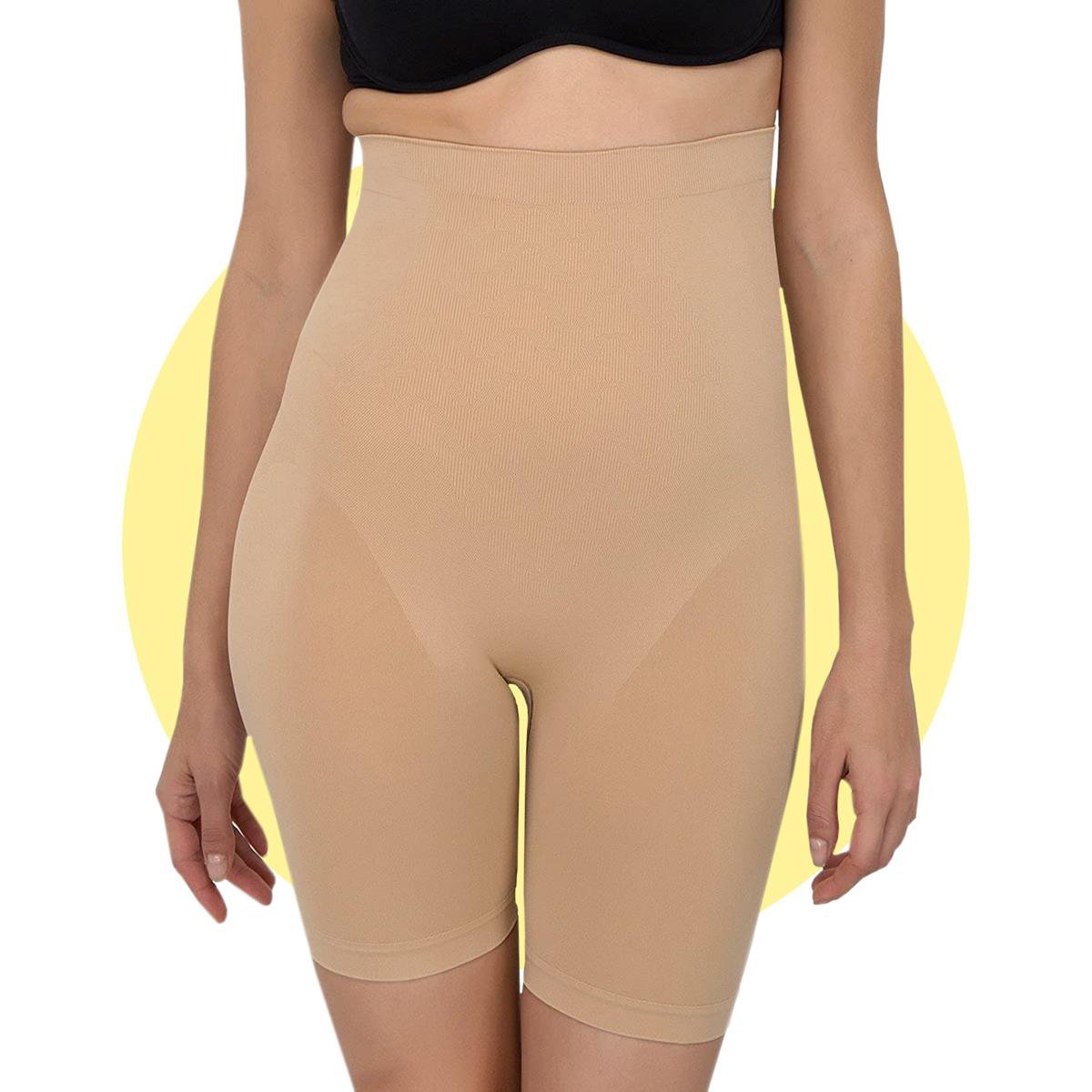
A waist trainer is a firm compression band worn around the midsection to make the waist look smaller. Worn loosely for a couple of hours, it is low risk for a healthy adult. Worn tightly all day, every day, it can cause real problems.<br><br>The main risks come from constant pressure on your torso. A very tight trainer can restrict your breathing, because your ribs and diaphragm cannot move freely. It can push on your stomach and worsen acid reflux or heartburn. Over months, leaning on a trainer instead of your own muscles may weaken your core. Skin under the band can also chafe, itch, or bruise, especially in Pakistan's heat and humidity.<br><br>It also helps to be honest about results. A waist trainer smooths your shape while you wear it, but it does not burn belly fat. Fat loss comes from overall diet and activity, not from squeezing one area. If you want the smaller look for a single outfit, that is fine — just do not rely on it as a health tool. If everyday tummy control is your real goal, a gentler <a href="https://sliuet.com/product/tummy-control-shapewear-pakistan">high-waist tummy control shapewear</a> is far more comfortable for long wear than a rigid trainer.
Are waist trainers safe for working out and sleeping?
These are the two situations where people push waist trainers too far, so they deserve a clear answer.<br><br>For working out, a trainer is not a good idea. It limits how deeply you can breathe, and you need full, easy breaths during exercise. It also restricts the natural movement of your core, which can throw off your form. The sweat it traps is water, not fat, so it does not add real results. For the gym, a supportive <a href="https://sliuet.com/category/activewear">activewear</a> set will serve you far better than a compression band.<br><br>Sleeping in a waist trainer is also best avoided. Lying down already changes how your lungs and stomach sit, and a tight band on top of that can make breathing shallow and sleep restless. It can also press on your stomach through the night and trigger reflux. Take the trainer off before bed and let your body rest unrestricted.
Are waist trainers safe during pregnancy and after a c-section?
This is where caution matters most, because these are medical situations, not style choices.<br><br>During pregnancy, do not wear a waist trainer. Compressing your abdomen can put pressure on the growing baby and on your own organs. If you want gentle support for your back or bump, ask your doctor about a proper maternity support band instead.<br><br>After giving birth — and especially after a c-section — your body needs time to heal. Do not put a trainer over a healing incision or sore abdomen. Some doctors do recommend a soft medical binder after surgery, but that is a different garment prescribed for a specific reason. Wait for your own doctor to clear you before wearing any waist trainer or firm shapewear. If you feel pain, numbness, or unusual swelling at any point, stop and seek medical advice.
Are waist trainers safe for teenagers?
Waist trainers are not recommended for children or young teenagers, including 12 to 14 year olds. Their bodies are still growing, and steady pressure on a developing ribcage and core is a risk that has no upside. The look a trainer gives is temporary and cosmetic; the growing body underneath is not something to squeeze into shape. A confident, comfortable fit in normal clothes is a much healthier goal at that age.
How to wear a waist trainer safely
If you are a healthy adult and want to wear one, a few simple habits keep it low risk.<br><br>Start with the right size. A trainer should feel snug, not painful — if you cannot take a full breath or it digs in, it is too small. Measuring your natural waist first helps; our <a href="https://sliuet.com/blog/underwear-size-chart-how-to-measure">underwear size chart</a> shows how to measure your waist and hips correctly.<br><br>Ease in slowly. Begin with one to two hours a day and see how your body responds before wearing it longer. Never wear it overnight. Take it off at once if you feel numbness, dizziness, shortness of breath, or pain — those are signals, not things to push through.<br><br>Keep it clean and dry, since trapped sweat can irritate skin, and wash it correctly so it keeps its shape; here is <a href="https://sliuet.com/blog/how-to-wash-a-waist-trainer">how to wash a waist trainer</a> without ruining it. Finally, treat it as one tool among many. For softer, everyday shaping, browse our <a href="https://sliuet.com/category/shapewear">shapewear</a> range or a <a href="https://sliuet.com/product/full-body-shaper">firm control full body shaper</a>, which spread the pressure more gently than a rigid corset trainer.
Frequently Asked Questions
Are corset waist trainers safe?
Steel-boned corset trainers apply more force than fabric ones, so they carry a higher risk if worn too tight or too long. Worn loosely and briefly by a healthy adult they can be fine, but they are not for daily all-day use. A lace cincher or soft shapewear is a gentler everyday choice.
How many hours a day can I safely wear a waist trainer?
There is no official limit, but a sensible guide is to start at one to two hours and avoid wearing one for most of the day. If it causes pain, numbness, or breathing trouble at any point, take it off.
Are waist trainers safe to sleep in?
No. Lying down with a tight band restricts breathing and can press on your stomach, disturbing sleep and risking reflux. Remove your trainer before bed.
Do waist trainers actually make you lose weight?
No. They slim your shape only while worn and can make you sweat, but that water loss is temporary. Real fat loss comes from diet and activity, not compression.
Conclusion
So, are waist trainers safe? For a healthy adult, yes — used briefly, at the right size, and never to the point of pain. They are risky when worn too tight or all day, and they should be avoided during pregnancy, straight after a c-section, and by young teenagers. Think of a waist trainer as a short-term styling tool, not a health or weight-loss device. Listen to your body, and when in doubt, choose comfort.
If you want a smoother line without the strain of a rigid trainer, explore our shapewear range and pick the level of support that actually feels good to wear all day.
References
- Belly fat in women: Taking — and keeping — it off — Belly fat is reduced through overall diet and activity, not by compressing one area, so a waist trainer does not burn fat.
- Healthy weight — Managing weight and waist size safely relies on healthy eating and physical activity rather than compression garments.