Panties vs Thong: What's the Difference?
Panties vs thong, explained simply: coverage, comfort, visible lines, and which cut to wear under tight clothes in Pakistan's heat.
The short version of panties vs thong is simple. A thong is just one style of panties. It is cut with a thin strip of fabric at the back, so it leaves the seat almost bare. When people compare panties against a thong, they usually mean a regular, fuller-coverage pair against that minimal cut. Both are underwear. The real difference is how much they cover and which problem each one solves. A full pair gives you comfort and support. A thong hides the line under tight clothes. This guide walks through the differences, the cuts that sit in between, and which to reach for in Pakistan's heat.
What the Two Words Actually Mean
"Panties" is an umbrella term. It covers every style of women's underwear bottom: briefs, hipsters, boyshorts, bikinis, and yes, thongs too. So a thong is technically a type of panty. "Thong" is a specific cut. The front looks like normal underwear. The back narrows to a thin strip that sits between the cheeks. That is the whole difference in one line. When a search asks "underwear vs thong" or "normal panties vs thong", it is really asking the same thing: a full-coverage pair versus the bare-back cut. If you want the full map of styles, our <a href="https://sliuet.com/blog/types-of-panties-for-women-2">guide to types of panties for women</a> lays them all out side by side.
Coverage, Support and Visible Panty Lines
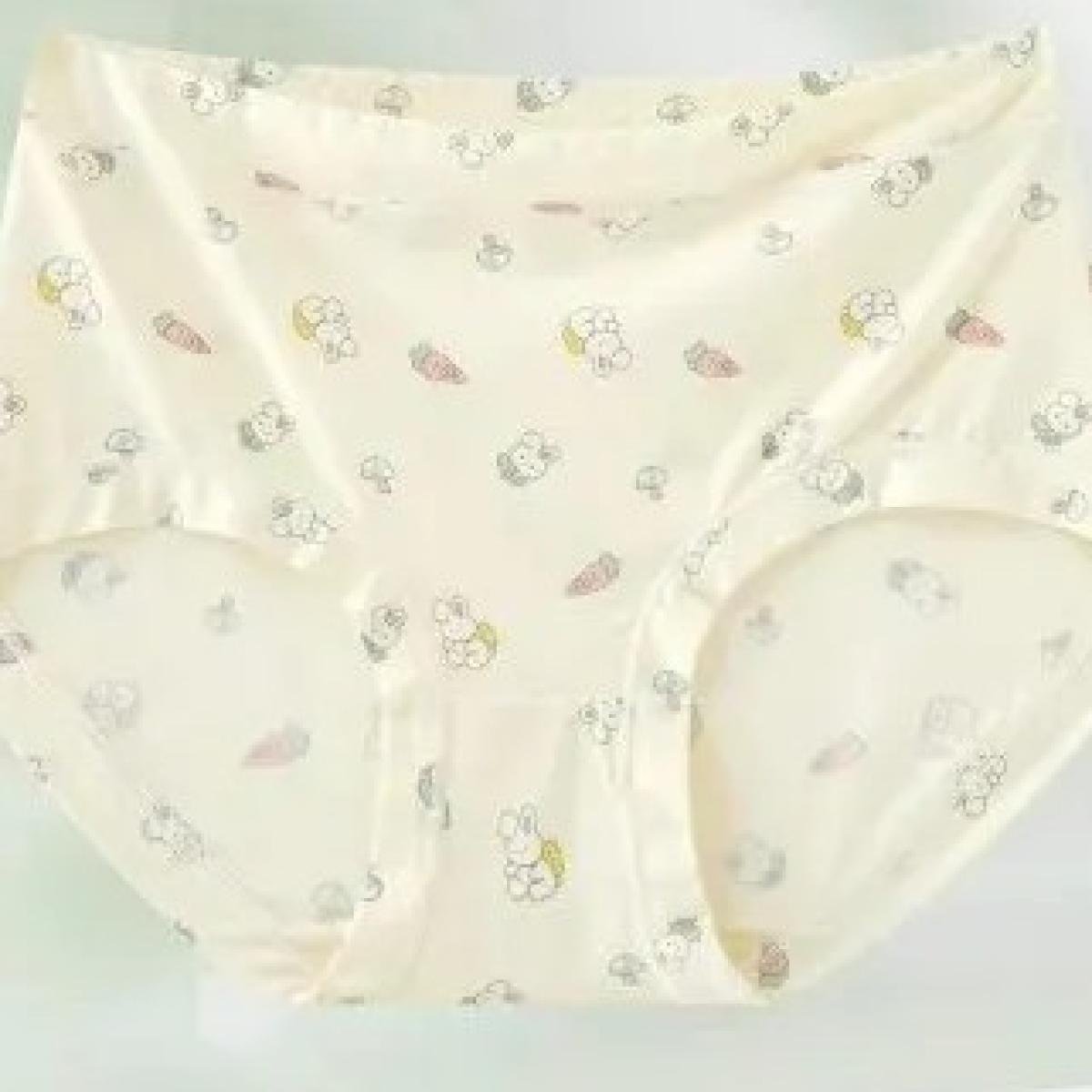
The choice comes down to one trade-off. Full-coverage panties wrap the whole seat. They stay put, feel secure, and give you something to rely on during your period, at the gym, or on a long day. Nothing digs in. A thong does the opposite. It removes almost all the back fabric. That means no visible panty line under leggings, a pencil skirt, or fitted trousers. The cost is coverage. Some women find the back strip takes a few wears to get used to. There is a middle path. A seamless brief gives you full coverage with edges that disappear under clothes. Our <a href="https://sliuet.com/product/seamless-panties">invisible seamless panties</a> are cut for exactly that: cover without the line.
The Cuts in Between
Panties and thongs are the two ends of a scale. Most styles live somewhere between them. Knowing the names helps you shop with less guesswork.
Cheeky
A cheeky cut covers more than a thong but less than a brief. It leaves the lower curve of the cheeks partly bare. It is a popular middle ground for people who want light coverage without a full strip.
Bikini
The bikini is the classic everyday cut. It sits on the hip with moderate coverage. When someone says "normal" or "regular" panties, this is usually what they picture.
Brazilian
A Brazilian sits between a bikini and a thong. It covers part of the seat, more than a thong but cheekier than a bikini. So the difference between a thong and a Brazilian is coverage: the thong bares almost everything, the Brazilian keeps a little.
Tanga and T-back
A tanga has skimpy side straps and a small back panel. It covers more than a thong, less than a bikini. A T-back, or G-string, belongs to the thong family and is named for the T shape of its straps.
Which One to Wear, and When
Match the cut to the outfit and the day. For everyday wear, a cotton bikini or brief is hard to beat for comfort. Under fitted clothes, like leggings or a body-hugging dress, a thong or a seamless brief keeps the line invisible. For the gym, pick breathable cotton or a seamless pair rather than lace. Under loose shalwar kameez or an abaya, full coverage is comfortable and nobody sees a line anyway, so there is no reason to compromise. Save a <a href="https://sliuet.com/product/garter-belt-lingerie-set">lace thong set</a> for special occasions, when look matters more than all-day wear. If you prefer a printed, fuller pair for daily use, our <a href="https://sliuet.com/product/floral-print-panties">floral print briefs</a> cover that end of the scale.
Fabric and Fit in Pakistan's Heat
In a hot, humid climate, fabric matters more than cut. Look for a breathable cotton gusset, the small panel that sits against your body. Cotton lets air move and absorbs moisture, which keeps you fresh through a long, warm day. That is true whether you wear a full brief or a thong, so comfort is really about the fabric and the fit, not the shape. On sizing, buy to your hip measurement. Thongs and briefs follow the same size bands, so your usual size carries across. Since most orders here are cash on delivery, ordering a size you already trust saves a return. You can browse the full range on our <a href="https://sliuet.com/category/underwear">underwear</a> and <a href="https://sliuet.com/category/lingerie">lingerie</a> pages.
Frequently Asked Questions
Is a thong healthier than regular panties?
Neither cut is healthier by itself. Comfort and hygiene come from a breathable cotton gusset and a good fit, not from the shape. Change your underwear daily and pick cotton for hot days, whichever cut you choose.
What is the difference between a thong and a Brazilian?
Coverage. A Brazilian covers part of the seat, while a thong leaves it almost bare with a thin back strip.
Can I wear a thong every day?
Yes, if it fits well and has a cotton gusset. Many women still prefer a brief or bikini for long, hot days and keep thongs for fitted outfits.
Do thongs really show less under clothes?
Yes. With almost no back fabric, a thong has no visible panty line under tight clothing. A seamless brief is a close alternative if you want more coverage.
Conclusion
Panties versus thong is not really a contest, because a thong is simply one cut in a much wider family. Reach for a full-coverage pair when you want comfort and support, and a thong when you need an invisible line under tight clothes. Cheeky, bikini and Brazilian cuts fill the space between. Once you match the cut and the fabric to the day, the choice stops being confusing.
Not sure where to start? Pick one breathable everyday pair and one seamless or thong style for fitted outfits, and you are covered for almost any day.
References
- Cotton: Comfort and Breathability — Cotton is breathable and absorbs moisture, which keeps underwear comfortable in hot, humid weather.
Related articles
- Types of Panties for Women: A Simple Guide to Every Style
- Difference Between Pants and Panties: A Plain-Language Guide
- Panties vs Underwear: What Is the Difference?
- What Type of Underwear Is Best for Women?
- How to Measure Your Bra Size at Home: A Simple Fit Guide
- Sports Bra Support Levels Explained: Low, Medium, and High Impact