Bodysuit vs Leotard: What's the Difference?
Bodysuit vs leotard: a bodysuit is an everyday fashion top with snaps, while a leotard is performance wear for dance and exercise. Here is how to choose.
The main difference in a bodysuit vs leotard is purpose. A bodysuit is a fashion top you wear as everyday clothing. A leotard is a performance garment made for dance, gymnastics and exercise. Both are one-piece. Both hug the body. But they are built, fastened and worn in different ways. This guide explains each one in plain terms, so you can pick the right piece with confidence.
What Is a Bodysuit?
A bodysuit is a one-piece top. It covers your torso and continues down into briefs at the hip. Most bodysuits fasten at the crotch with snaps or hooks. That closure lets you use the bathroom without undressing fully.
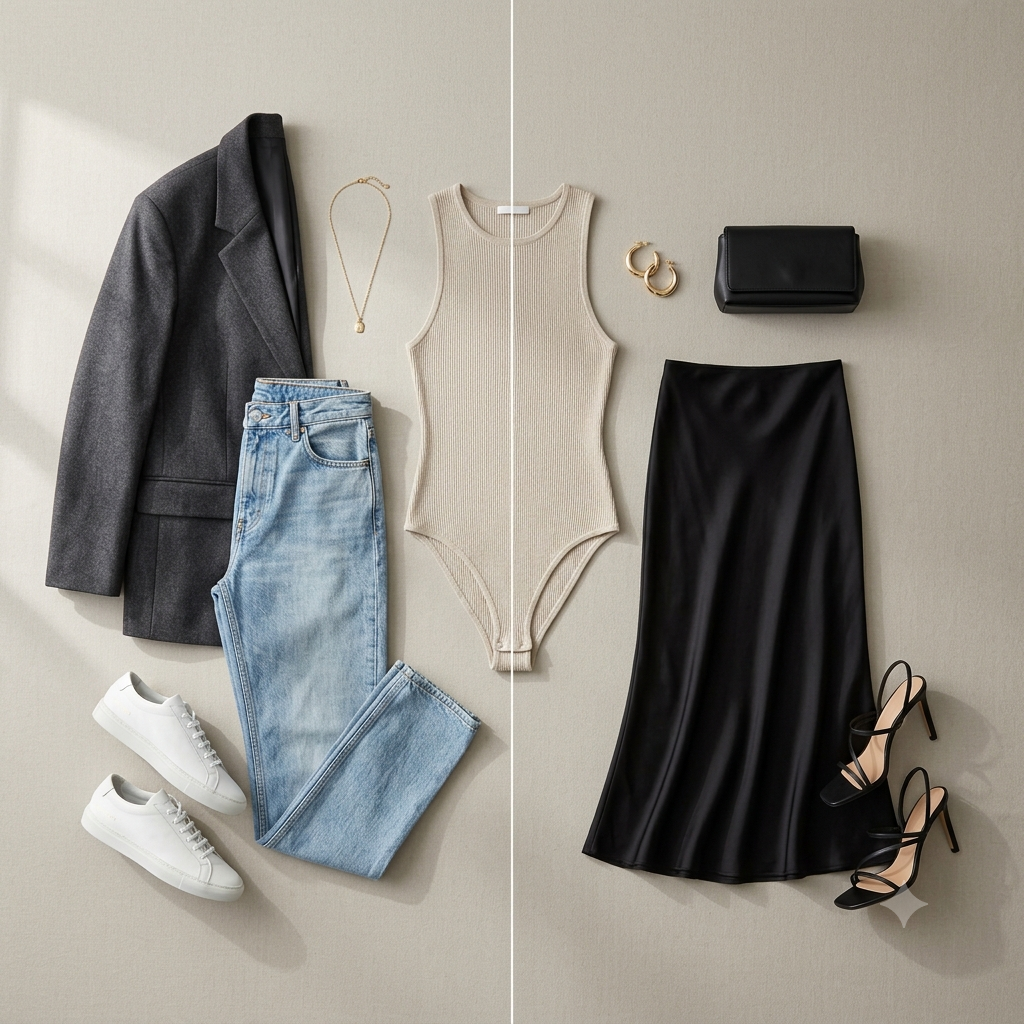
You wear a bodysuit like any top. Tuck it into jeans, a skirt or trousers and it stays put. There is no untucking through the day, so your outfit keeps a clean line.
Bodysuits come in many fabrics and necklines. Lace, jersey, mesh and ribbed cotton are all common. For a dressy look, the <a href="https://sliuet.com/product/black-lace-bodysuit">Black Lace Bodysuit with Floral Cut-Out Details</a> leans towards evening. For cooler days or more coverage, the <a href="https://sliuet.com/product/leopard-print-bodysuit">Leopard Print Bodysuit – Long Sleeve</a> works well under a blazer. If you want outfit ideas, our guide on <a href="https://sliuet.com/blog/bodysuit-styling-day-to-night">bodysuit styling from day to night</a> shows how to wear one piece several ways. In Pakistan's heat, a cotton-rich bodysuit feels most comfortable, because cotton breathes.
What Is a Leotard?
A leotard is a one-piece garment made for movement. Dancers, gymnasts and skaters wear it. So do many people in ballet, yoga and aerobics classes.
A leotard covers the torso much like a swimsuit. The legs are usually cut high at the hip. Most leotards have no crotch closure. You pull them on over the head or step into them.
The fabric is the big giveaway. Leotards use stretch performance material, often a nylon or spandex blend. It moves with the body and holds its shape through jumps, stretches and spins. A leotard is not designed to be tucked into trousers as a fashion top. It is worn on its own, or with tights, leggings or a wrap skirt for class. Because it is made to be seen in motion, the finish is smooth and simple rather than decorative.
How the Two Garments Differ
The two garments look alike on the hanger. In use, they are quite different. Here is how they compare.
Purpose: A bodysuit is for fashion and everyday wear. A leotard is for dance, gymnastics and exercise.
Closure: Most bodysuits snap or hook at the crotch. Most leotards have no closure and simply pull on.
Fabric: Bodysuits use fashion fabrics such as lace, cotton, jersey and mesh. Leotards use stretch performance fabric built for sweat and motion.
How you wear it: A bodysuit tucks neatly under skirts and trousers as a top. A leotard is worn on its own for an activity.
Fit and cut: Both can sit high on the hip. But a leotard is cut for freedom of movement, while a bodysuit is cut for a smooth line under clothes.
Where Jumpsuits and Onesies Fit In
People often compare a leotard with a jumpsuit or a onesie too, so it helps to place those side by side. A jumpsuit is a one-piece that includes full-length or cropped trousers. It is a complete outfit worn as outerwear. A onesie is a loose, cosy one-piece, usually meant for lounging or sleep. Neither is cut close for performance the way a leotard is.
So if you are weighing a jumpsuit vs leotard, or an onesie vs leotard, think about the job first. Choose a jumpsuit for a full outfit. Choose a onesie for comfort at home. Choose a leotard for class or the studio. And choose a bodysuit when you want a fitted, everyday top.
Which One Should You Choose?
Choose a bodysuit if you want a top that stays tucked and gives a clean line under jeans, trousers or a skirt. It suits work, dinners and everyday outfits. The snap closure keeps it practical for a normal day.
Choose a leotard if you need kit for dance, gymnastics, yoga or the gym. Its stretch fabric and pull-on fit are made for movement, not for tucking in.
For Pakistan's warm climate, look for breathable fabric either way. If you only want a flattering top for daily wear, a bodysuit is almost always the answer. Browse the <a href="https://sliuet.com/category/activewear">Activewear</a> range for movement-ready pieces, or the <a href="https://sliuet.com/category/lingerie">Lingerie</a> range for a bodysuit with a more decorative finish.
Frequently Asked Questions
Are bodysuits and leotards the same?
No. They look similar because both are one-piece and fitted. But a bodysuit is an everyday fashion top with a snap closure, while a leotard is performance wear for dance and exercise with no closure.
Can I wear a leotard as a bodysuit?
You can, but it is not ideal. A leotard has no crotch snaps, so a bathroom trip means removing it fully. It is also cut and finished for movement, not for tucking under office or evening outfits.
Can I wear a bodysuit to the gym?
A snap-fasten fashion bodysuit is not built for heavy sweat or deep stretching. For workouts, choose activewear or a proper leotard made from performance fabric.
Which is more comfortable in hot weather?
A cotton-rich bodysuit is a good choice in heat, because cotton breathes. Many leotards use synthetic stretch fabric that wicks sweat during activity but can feel warm for all-day wear.
Conclusion
Bodysuits and leotards share a shape but do different jobs. A bodysuit is a smart everyday top that stays tucked and smooth. A leotard is performance wear for dance and the gym. Match the piece to the moment and you will stay comfortable and confident.
Not sure which bodysuit suits your wardrobe? Explore our bodysuit styles and styling guide, then pick the fabric and neckline that fit your day. Cash on delivery is available across Pakistan.
References
- Cotton Incorporated — Cotton fibre is breathable and comfortable against the skin, which matters for all-day wear in a hot climate.
Related articles
- How to Put on a Bodysuit: A Simple Step-by-Step Guide
- Bodysuit vs Jumpsuit: What's the Difference?
- Bodysuit vs Swimsuit: What's the Real Difference?
- Bodysuit Styling: How to Wear One Piece from Day to Night
- The Difference Between Sleepwear and Loungewear, Explained
- Difference Between Sleepwear and Loungewear: A Simple Guide